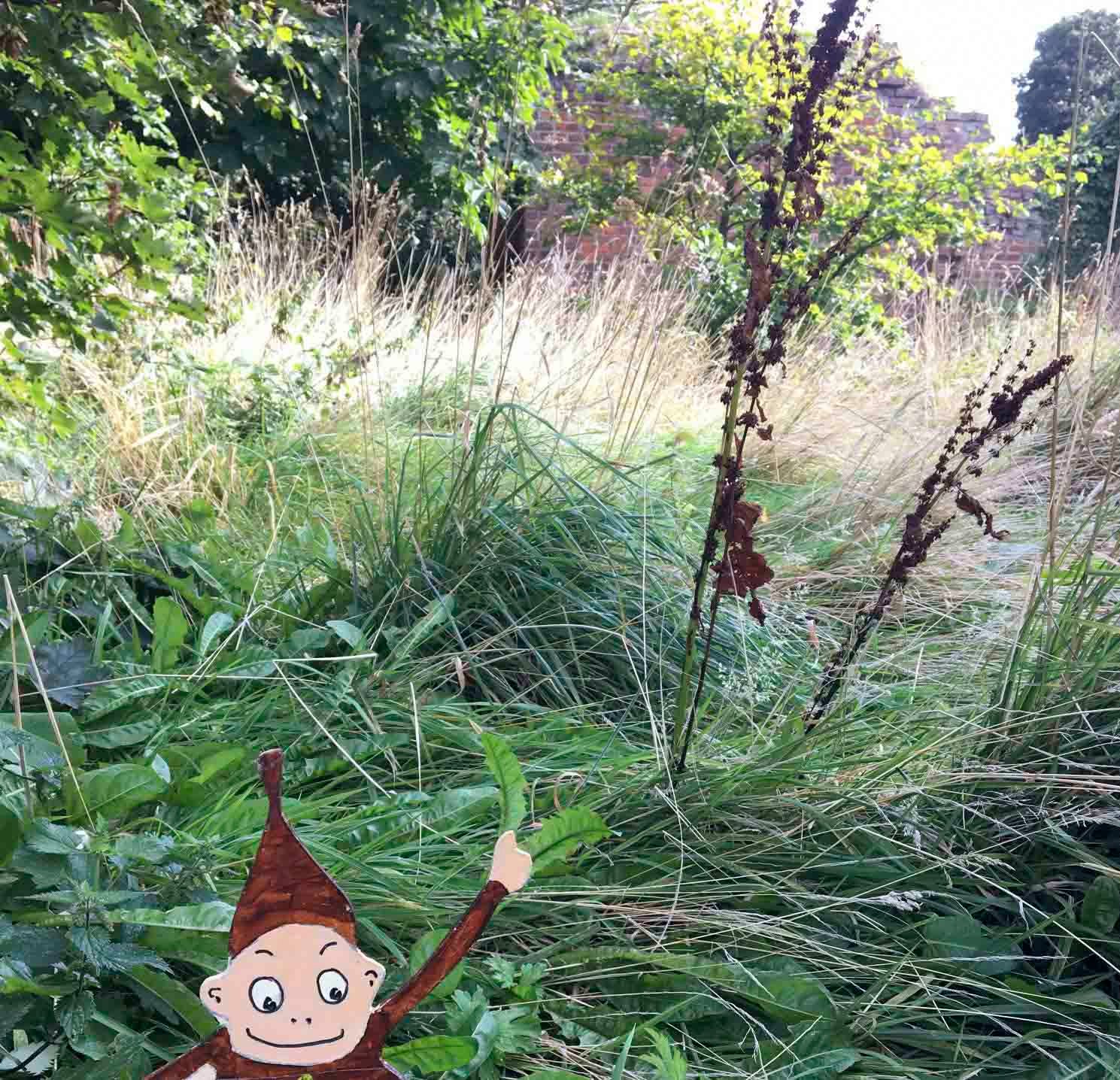
In this piece, I wanted to explore the idea that the damage we’re doing to nature through climate change might have unforeseen impacts on the inhabitants of the garden – disrupting their instinctive behaviour in ways that mirror human behaviour and that find parallels in the language of scripture. Apologies for the occasional vulgarity, intended to convey the harsher side of the natural world (I did ask permission first!).
This morning, when Mette opened the front door to leave for school, there was a Sharpie on the mat. She said that it is a gift from the ravens. Apparently, things are afoot in the garden.
The ants have secretly raised an idol, a tiny golden butterfly, the work of skilled claws. They do not understand giving, nor sacrifice. But they do miss the butterflies. The idol won’t bring them back, though.
The bees process behind their privet-crowned princess, carefree and vain in all her bristling finery, a chattering fool. The old queen lies abandoned deep within the hive, mugged, graffitied, no jokers left to play. They grew tired of her pop-up wisdom, her roots and foundations. But idle wings make for poverty. Flowers spill carelessly from pockets, larvae twist like glue sticks, all agency forsaken. Who cares to dance a treasure map when there are bridges to burn? Oh, how they dishonour their mother and father, queen and drone.
Out by the bins, self-consciousness has spread among the slugs. They attempt to style out their ugliness, but they are no Serge Gainsbourg. They can’t even close their eyes. Perhaps a pretty partner among the snails, a Jane Birkin to complete the spell?
Claiming motivation by instinct alone, the aphids push for peace. They play the innocent, but war is in their dorsal vessels, chewing on roots of bitter poison. Hopelessly outnumbered, enamel dice tumble red and black and yellow, two, seven, fourteen. Savage gods of wood and stone, prepare for plague!
Beware the cellophane wasps at the cider jar, fizzing with greasy, anarchist cant, spiracles clogged with the mothy dust. Emboldened and brazen, dismissive of magpie and jay (a hard lesson awaits), their half-truths entice the blind from the orchard road, a chance encounter with healing squandered.
Flies hover at the fringes of conflict. Sheepish. They can’t help themselves, disgusted by their own manners. They skirt the raggedy spiders, drawn by the silken body bags discolouring in the heat, sobbing bundles of broken sticks, bitches’ swag. But there have been changes among the dark hearts, a softening. Regretful of ambush and kidnap, a life blind to all beauty, the spiders remain only in thought, sensing nothing, lost for ever in wondrous contemplation, each eye fixed skyward, awaiting a favourite star, as their bodies thin to a delicate husk, a soul on the wind.
Nature has lost her grip, dropped the ball, kicked it over next door’s fence. The boundary stones have moved. All counting has stopped. The language of colour forgotten.
And the ravens are back.
Colin Davey
Leave a Reply